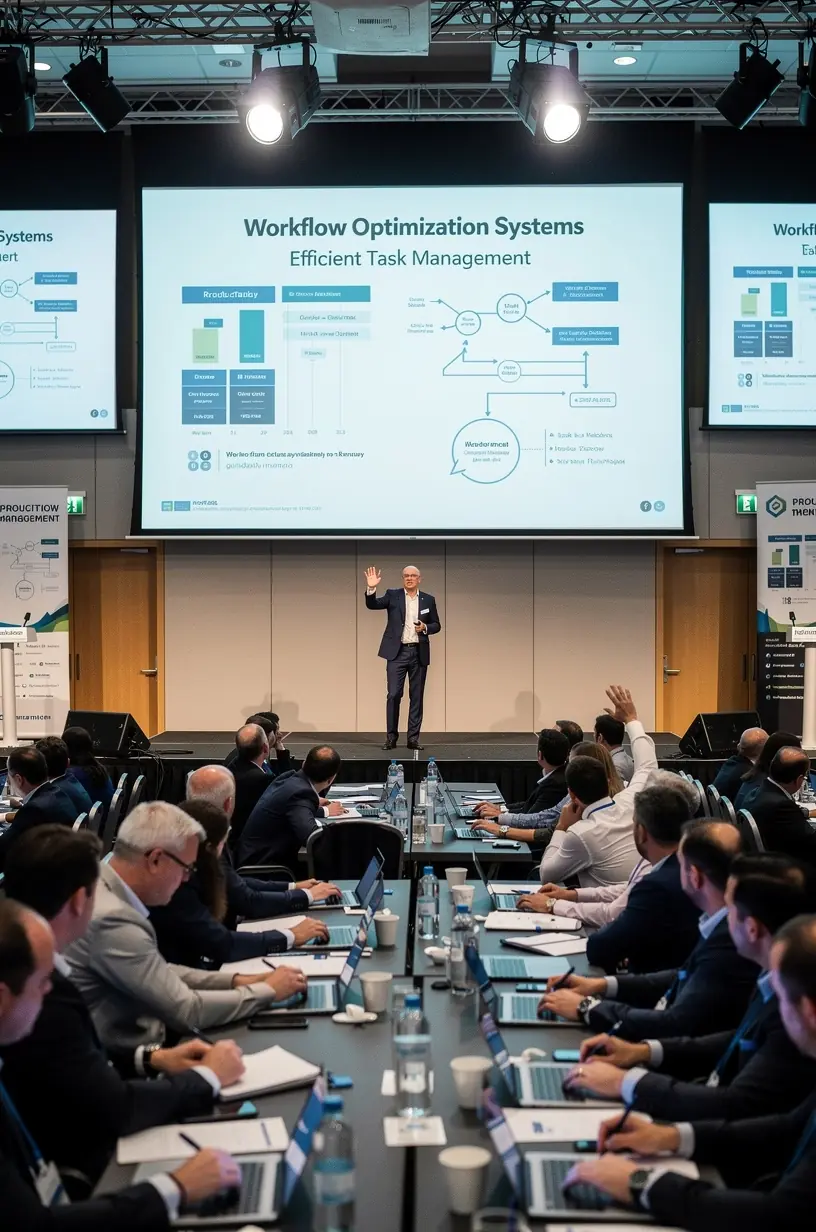
Practical Techniques for Streamlining Processes
In a fast-paced environment, effective process management is crucial for maximizing productivity and minimizing wasted time. This article explores various practical techniques for streamlining workflows, enhancing task management, and improving overall efficiency.
Understanding the Basics of Workflow Optimization
Workflow optimization refers to the systematic approach to improving processes by eliminating unnecessary steps and enhancing efficiency. According to industry experts, adopting structured methodologies can significantly reduce cycle times and improve task completion rates. One commonly recommended method is the Lean approach, which aims to create more value for customers with fewer resources by minimizing waste.
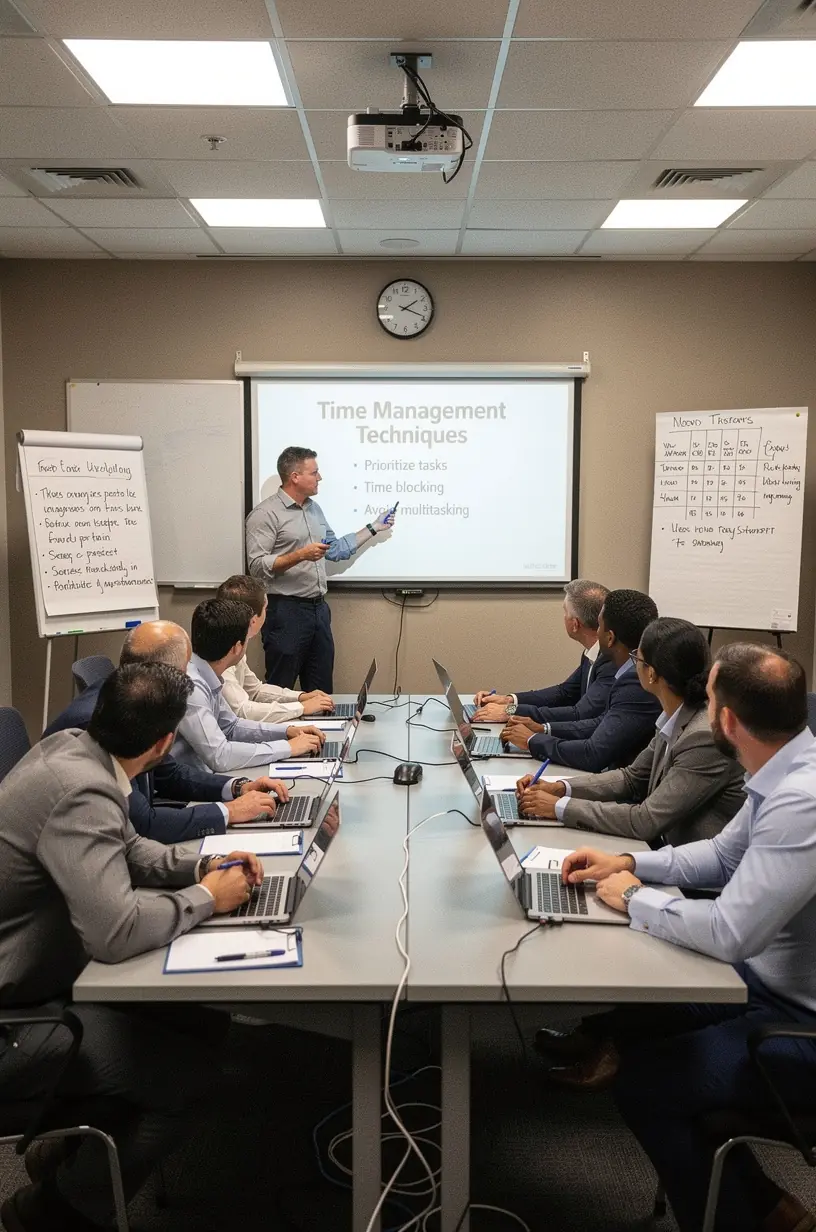
"Streamlining processes often results in productivity enhancements of 20-30% in organizations that implement proven methods." - Industry Analysis Report
Practical Techniques for Streamlining Processes
- Mapping Workflows: Begin with a clear visualization of existing processes. Flowcharts or diagrams can help identify bottlenecks and redundancies. Research shows that organizations that regularly map their workflows can improve clarity and communication among team members.
- Implementing Standard Operating Procedures (SOPs): Creating documented procedures for repetitive tasks ensures consistency and reduces errors. Experts recommend that SOPs undergo regular review and updates to remain relevant and effective.
- Utilizing Feedback Loops: Regularly soliciting feedback from team members can uncover inefficiencies. Open communication fosters a culture of continuous improvement, which is essential for long-term success. Many organizations report that feedback loops enhance both employee morale and operational performance.
Realistic Expectations and Acknowledging Limitations
While these techniques can lead to significant improvements, it is essential to acknowledge the required effort and time commitment. Implementing a comprehensive workflow optimization strategy typically requires 2-4 weeks of assessment and adjustment, depending on the complexity of the processes involved.
Moreover, it's important to understand that some methods may not yield immediate results. Changes often require a period of adjustment as team members adapt to new processes. In most cases, patience and persistence play crucial roles in achieving desired outcomes.
Conclusion
Streamlining processes is an ongoing journey that requires dedication and a willingness to adapt. By employing the techniques discussed, organizations can enhance their workflows, leading to better task management and improved time efficiency. Remember, the most effective changes arise from a clear understanding of existing processes and a commitment to continuous improvement.
Read On